Affordability, workforce readiness, artificial intelligence, and community partnerships take center stage during regional leadership discussion.
Salisbury, MD – October 15, 2026 – Seven distinguished higher education leaders representing colleges and universities across the Delmarva Peninsula came together for a first-of-its-kind discussion on the challenges and opportunities shaping the future of higher education.
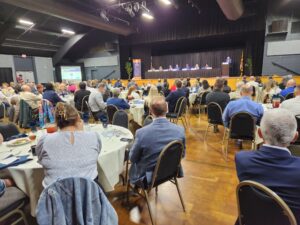
The Salisbury Area Chamber of Commerce (SACC) hosted its inaugural “Higher Education Leaders of Delmarva” Forum and Luncheon at the Wicomico Civic Center in Salisbury, Maryland, bringing together influential academic leaders to explore issues directly affecting students, employers, and the region’s economic future.
The distinguished panel featured:
- Dr. Heidi M. Anderson, President, University of Maryland Eastern Shore
- Dr. Deborah Casey, President, Wor-Wic Community College
- Dr. Michael H. Casson Jr., Dean, College of Business, Delaware State University
- Dr. Clifford Coppersmith, President, Chesapeake College
- Dr. Kimberley R. Isett, Vice Provost for Academic Programs and University Initiatives, University of Delaware
- Dr. Daryl L. Minus, President, Eastern Shore Community College
- Dr. Carolyn Ringer Lepre, President, Salisbury University
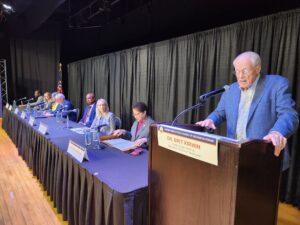
The forum was moderated by Dr. William E. “Brit” Kirwan, Chancellor Emeritus of the University System of Maryland, who guided a candid and thought-provoking conversation addressing college affordability, preparing graduates for an evolving workforce, the growing influence of artificial intelligence on teaching and learning, and the importance of strong relationships between higher education institutions and their surrounding communities.
The Value and Affordability of Higher Education
With rising education costs continuing to influence students and families, panelists emphasized that a college education remains one of the most valuable investments individuals can make in their future.
Dr. Kimberley Isett of the University of Delaware reinforced the long-term benefits of earning a degree, noting that 94% of the university’s graduates secure employment within six months of graduation. While acknowledging the financial challenges students face, she highlighted the university’s increased fundraising efforts to expand scholarship opportunities and make higher education more accessible.
Salisbury University President Dr. Carolyn Ringer Lepre emphasized the importance of strengthening transfer pathways between community colleges and four-year institutions, allowing students to maximize previously earned credits and reduce the overall cost of completing a degree.
Dr. Clifford Coppersmith, President of Chesapeake College, underscored the role of education in creating economic opportunity.
“There is no greater way for Americans to enter the middle class than going to college,” Coppersmith said.
Preparing Students for Tomorrow’s Workforce
As workforce demands continue to evolve, panelists highlighted innovative programs, employer partnerships, and career-focused education designed to connect graduates with meaningful employment opportunities.
Eastern Shore Community College President Dr. Daryl Minus discussed his institution’s emphasis on stackable credentials, workplace training, and hands-on learning environments that provide students with practical skills and pathways to career advancement.
Dr. Michael Casson, Dean of Delaware State University’s College of Business, highlighted the university’s Center for Urban Revitalization and Entrepreneurship (CURE), an initiative designed to address barriers faced by entrepreneurs, identify market demands, and support economic development through business innovation.
Wor-Wic Community College President Dr. Deborah Casey emphasized the institution’s commitment to building strong partnerships that benefit both students and the regional economy.
“Wor-Wic is committed to working alongside our schools, employers, and community partners to provide affordable, relevant education that connects students to living-wage careers, strengthens families, and ensures our region’s talent can learn, work, and thrive close to home,” Casey stated.
University of Maryland Eastern Shore President Dr. Heidi Anderson reinforced the importance of preparing students not only for immediate employment opportunities but also for long-term professional success.
“A higher education degree has always been the best route to full citizenship and a gainful career. As Maryland’s only land-grant HBCU, UMES offers that and so much more,” Anderson shared. “At UMES, we are intentional about preparing students not just for the jobs of today, but for the opportunities and challenges of tomorrow.”
The discussion highlighted the importance of keeping higher education relevant as technology reshapes both academic instruction and employer expectations.
Strengthening Campus and Community Connections
The forum also addressed the importance of town-gown relationships—the partnerships between colleges and universities and the communities in which they operate.
Salisbury University President Dr. Carolyn Ringer Lepre emphasized the university’s deep connection to Salisbury and the surrounding region, noting that faculty and staff are not only educators but also neighbors, residents, and active members of the community.
Lepre stressed the university’s ongoing commitment to maintaining and strengthening relationships with local businesses, organizations, and community leaders.
That commitment to community engagement was echoed by the other panelists, who recognized the vital role higher education institutions play in regional workforce development, economic vitality, and quality of life.
A Regional Conversation Worth Continuing
In closing, Dr. Kirwan thanked the participating college and university leaders for their insightful perspectives and candid observations. He expressed hope that the forum would encourage continued regional dialogue and collaboration among Delmarva’s higher education institutions.
The inaugural event demonstrated the importance of bringing educational, business, and community leaders together to address shared challenges, strengthen regional partnerships, and explore opportunities that will shape Delmarva’s future.
The Salisbury Area Chamber of Commerce extends special appreciation to Whiting-Turner, Presenting Sponsor of the Higher Education Leaders of Delmarva Forum, and to sponsors Bancroft Construction, Gillis Gilkerson, Maryland’s Coast – Worcester County Tourism & Economic Development, Pohanka Automotive, Salisbury University, Tri-County Council for the Lower Eastern Shore of Maryland, University of Maryland Eastern Shore, and Wor-Wic Community College for their generous support of this important regional conversation.
-
- Dr. Brit Kirwin and Higher Education Leaders of Delmarva
-
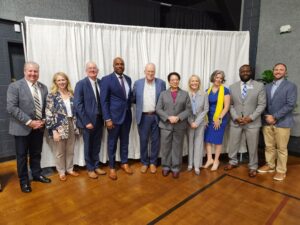
- 2026 Higher Education Leaders of Delmarva and Adam Leondard Whiting Turner
-
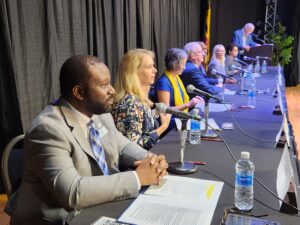
- 2026 Higher Education Leaders of Delmarva Panel
-
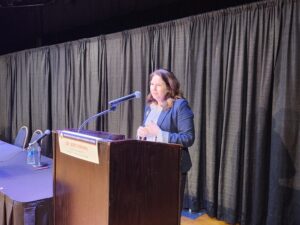
- SACC Board Chair Deanna Whittington
-

- Lyn Lepre, (SU) Heidi Anderson (UMES), and Deb Casey (Wor-Wic)
-

- Lyn Lepre, (SU) and Brit Kirwin
-
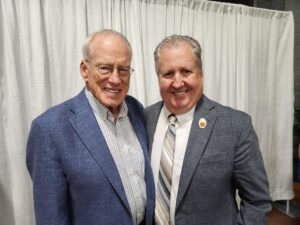
- Dr. William E. “Brit” Kirwan and Bill Chambers
-

- 2026 Higher Education Leaders of Delmarva Forum Panel
-
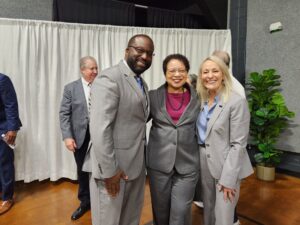
- Daryl Minus, (ESCC) Heidi Anderson, (UMES) Deb Casey (Wor-Wic)